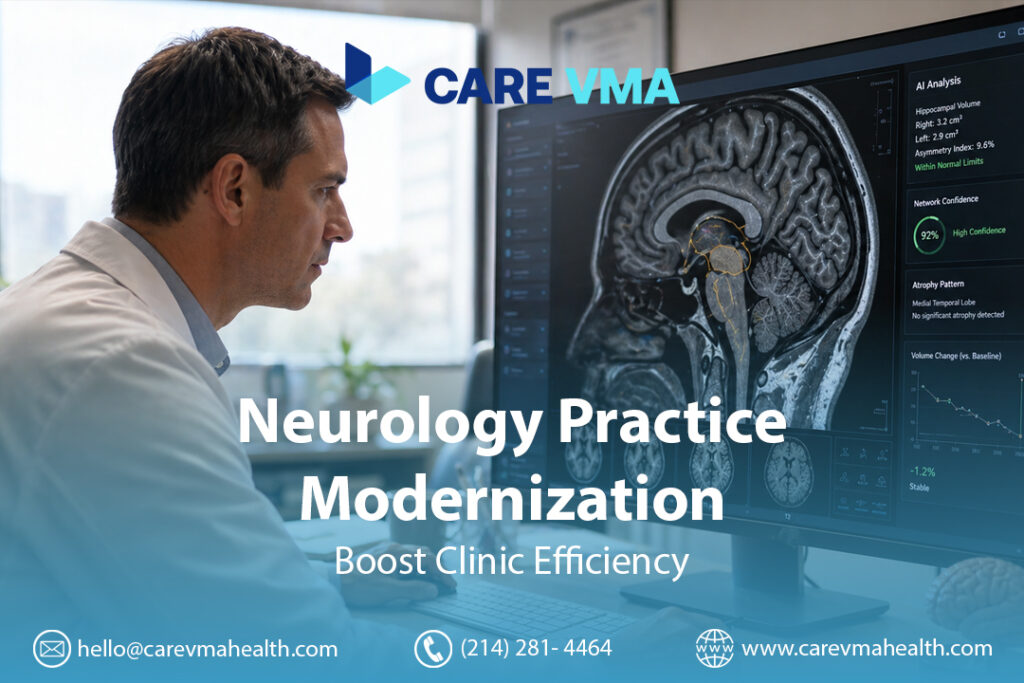
Modernizing a neurology practice is no longer about simply switching from paper to digital. It’s a fundamental transformation aimed at enhancing diagnostic precision, streamlining complex operational workflows, and dramatically improving the quality of life for patients with chronic conditions. For neurologists burdened by administrative tasks, this evolution is the key to reclaiming time for what truly matters: patient care.
This guide provides a comprehensive framework for modernizing your neurology practice, aligning cutting-edge workflow solutions with the realities of the US healthcare landscape, including EHR interoperability and complex billing cycles.
The Core Challenge in Modern Neurology: When Administrative Drag Hinders Clinical Focus
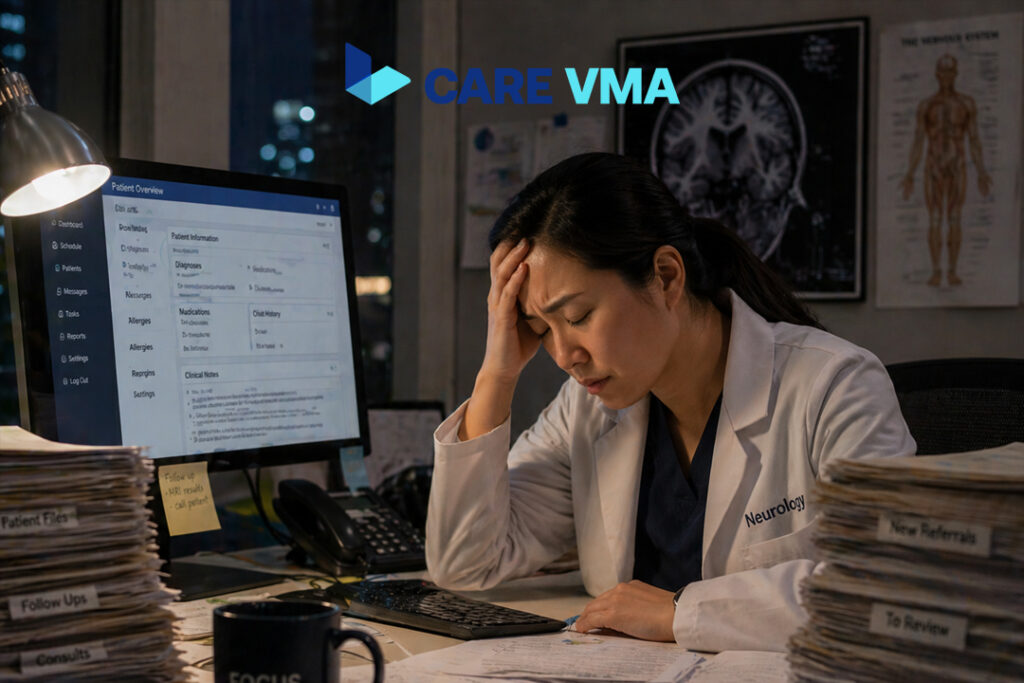
Neurology is a specialty defined by complexity. Yet, a significant portion of a neurologist’s valuable consultation time is consumed by non-clinical duties, leading to physician burnout and fragmented patient care.
Why Long Neurology Consultations are Wasted on Non-Clinical Tasks
Detailed patient histories, intricate documentation, and coordinating with multiple specialists are hallmarks of neurology. However, when neurologists are forced to spend more time typing into an EHR than engaging with a patient, the quality of care suffers. This administrative burden is a primary driver of inefficiency and a major obstacle to focusing on complex diagnostic and treatment planning.
The Risk of Test Duplication and Fragmented Data for Chronic Patients
Patients with chronic neurological conditions like epilepsy, Parkinson’s, or MS often see multiple providers. Without seamless data interoperability between systems, clinicians risk ordering redundant, expensive tests like MRIs or CTs. This not only increases costs but also leads to a fragmented view of the patient’s long-term health journey, delaying crucial interventions.
Solution #1: Redesigning the Neurology Patient Journey for Efficiency
The first step in modernization is to offload administrative tasks from your clinical team by redesigning the patient workflow from the ground up. The goal is to ensure that by the time a patient sees the neurologist, all preliminary data is collected, organized, and ready for review.
- Streamline Appointments with a Virtual Receptionist: Long phone queues and manual appointment scheduling create bottlenecks. A Virtual Medical Receptionist can manage patient scheduling, handle appointment confirmations and reminders, and process initial intake forms, significantly reducing front-desk workload and patient wait times.
- Accelerate Anamnesis with Digital Pre-Consultation Questionnaires: Before the visit, patients can receive a secure digital link to fill out detailed symptom questionnaires (e.g., seizure frequency logs, migraine diaries, or tremor severity scales). This information is pre-loaded into the EHR, giving the neurologist a head start and allowing for a more focused, high-value consultation.
- Enhance Collaborative Workflows: For complex cases like brain tumors or post-stroke recovery, coordinating a multidisciplinary team is essential. A Virtual Patient Care Coordinator can manage referrals, schedule team conferences, and ensure all consulting specialists have access to the necessary records, creating a seamless communication flow that improves patient outcomes.
Solution #2: Reclaiming Clinical Time with Precision Documentation Support
Documentation is one of the most time-consuming aspects of a neurologist’s day. Modern solutions focus on capturing clinical encounters accurately and efficiently, freeing the physician to focus entirely on the patient.
Case Study: Saving 2+ Hours a Day with Virtual Medical Scribing
Instead of relying on often-imperfect voice-to-text AI, many leading practices are turning to a more reliable solution. A Virtual Medical Scribe is a trained professional who remotely and securely joins the patient encounter (via a HIPAA-compliant audio/video feed). They document the visit in real-time, directly into your EHR.
The result: Neurologists finish their day with all their charts completed, reviewed, and signed. This simple change can reclaim over two hours per day, directly combating the causes of physician burnout and allowing for more patient slots or a better work-life balance. By mastering your EHR and documentation workflows, you can how vmas improve clinic efficiency across your entire practice.
Solution #3: Mastering EHR Interoperability and the Billing Cycle
Regulatory requirements and insurance complexities can feel like obstacles, but with the right support, they can become a competitive advantage. Efficiently managing data and billing is central to a healthy practice.
- Prevent Costly Duplicate Tests with Proactive Insurance Verification: A key benefit of interoperability is accessing a patient’s prior records to avoid redundant imaging. A dedicated Virtual Medical Assistant can manage this process, performing thorough insurance verification and prior authorization checks before expensive procedures are ordered, ensuring they are medically necessary and covered.
- Accelerate Claim Cycles with Accurate Medical Coding: Denied claims are a major drain on revenue, often stemming from simple coding errors (e.g., incorrect ICD-10 codes for specific types of strokes or seizures). A remote medical coder or a Medical Billing Virtual Assistant ensures that claims are coded with precision from the start, minimizing denials and dramatically shortening the revenue cycle.
Solution #4: Proactive Management of Chronic Neurological Conditions with Remote Support
Neurology is uniquely suited for remote care models that empower patients and provide clinicians with better longitudinal data.
Use Case: Monitoring Parkinson’s Tremors with Wearable Data
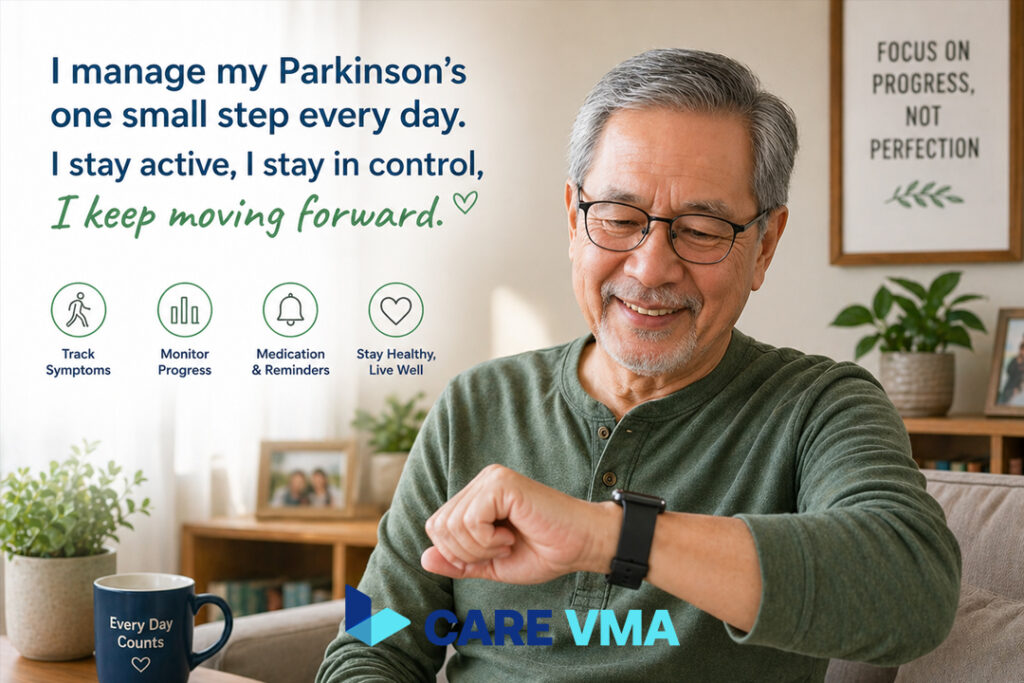
A patient with Parkinson’s uses a smartwatch to track tremors and mobility. The data is securely transmitted to your practice, where a Remote Patient Monitoring (RPM) assistant from Care VMA reviews it. This assistant monitors for trends, flags anomalies that require the neurologist’s attention, and ensures the patient is logging their data correctly. This provides objective data that is far more reliable than patient recall during a biannual visit.
Improving Epilepsy Patient Adherence with Virtual Support
For patients with epilepsy, medication adherence and seizure tracking are critical. A Virtual Chronic Care Management (CCM) assistant can conduct regular, non-intrusive check-ins via telehealth, remind patients about medication refills, and help them use digital seizure-tracking apps. This continuous engagement helps improve patient outcomes and can reduce the frequency of emergency visits. The benefits of remote patient monitoring extend beyond data collection to active and compassionate patient engagement.
A Phased 4-Step Guide to Modernizing Your Neurology Practice
Adopting change all at once can be disruptive. A phased approach ensures a smooth transition and maximizes buy-in from your staff.
- Phase 1 (Administrative Foundation): Delegate core administrative tasks. Start by integrating a Virtual Medical Receptionist to optimize your scheduling and patient intake process.
- Phase 2 (Clinical Workflow Standardization): Free your clinicians from documentation. Implement Virtual Medical Scribes to standardize charting, eliminate after-hours work, and improve the accuracy of your clinical records.
- Phase 3 (Financial Acceleration): Fortify your revenue cycle. Onboard a virtual medical billing assistant to handle insurance verifications, prior authorizations, and accurate coding to reduce claim denials.
- Phase 4 (Proactive Patient Engagement): Launch your remote care programs. Deploy Virtual Assistants for Chronic Care Management and Remote Patient Monitoring to improve outcomes for your long-term patients.
Ready to Transform Your Neurology Practice to Be More Efficient and Patient-Centered?
The administrative burdens facing modern neurology practices are significant, but they are not insurmountable. By strategically delegating administrative, documentation, and care coordination tasks to specialized, HIPAA-compliant virtual medical assistants, you can eliminate operational bottlenecks, reduce physician burnout, and dedicate your time to providing exceptional clinical care.
Care VMA provides the trained, experienced virtual support you need to modernize your practice.
FAQ: Common Questions from Neurologists and Clinic Owners
How does a Virtual Medical Scribe specifically help in a complex neurology case?
In a complex case, such as a new multiple sclerosis diagnosis, a neurologist must process vast amounts of information while showing empathy. A Virtual Medical Scribe captures the entire patient history, review of systems, physical exam findings, and the detailed treatment plan—including medication choices and follow-up instructions—in real-time. This ensures a highly accurate record for billing and future reference and allows the neurologist to maintain eye contact and build rapport with the patient during a difficult conversation.
What’s the best strategy to overcome resistance from senior staff to adopting virtual assistance?
The most effective strategy is to frame it as a direct solution to their biggest pain points. Start with a pilot program focusing on one key area, like eliminating after-hours charting with a Virtual Scribe. When senior staff personally experience leaving the clinic on time with all their work done, they quickly become champions of the new system. Demonstrating how virtual assistants reduce their administrative burden, rather than adding a new technology to learn, is crucial for adoption.
Are virtual assistants secure enough for managing sensitive neurological patient data?
Absolutely. Reputable providers like Care VMA operate under strict, HIPAA-compliant protocols. All virtual assistants are thoroughly trained in patient data privacy and security. Communications are conducted over secure, encrypted platforms, and access to your EHR is managed through secure portals, ensuring patient data is protected to the same standard as in-house staff, if not higher.
How can a virtual assistant help with managing patient care between visits?
This is a key advantage. For chronic patients, a Virtual Chronic Care Management assistant can manage follow-up communications, schedule necessary lab work or imaging before the next appointment, handle medication refill requests, and provide patient education on behalf of the neurologist. This continuous touchpoint helps in improving patient outcomes with effective chronic care management by ensuring care plans are followed and potential issues are identified early.