- 6340 N Eldridge Pkwy N 117 Houston TX 77041
- (214) 281- 4464


Our RPM assistants monitor patient data such as body temperature, blood pressure, pulse rate, oxygen concentration, weight loss, and glucose levels. By consistently tracking these vital signs, they ensure early detection of abnormalities and inform you immediately for prompt interventions.
Accurate and up-to-date health records are essential. Our remote patient monitoring assistants update your electronic health records (EHR) system with the latest data collected from RPM devices. Studies found that 70% of healthcare decisions rely on accurate data from patient records.
Remote health monitoring devices require technical expertise. Care VMA Health RPM assistants handle the initial setup, ensuring proper calibration and integration into the EHR system. Once setup is complete, they guide and educate patients on how to use the devices effectively.
Our remote coordinators are always available to answer your patients' questions, increasing patient satisfaction by 90%. They coordinate follow-up appointments, track lab results, and work hand in hand with your doctors and nurses to provide personalized attention.

"This service has improved how I manage patient care. With Care VMA Health, I can stay on top of things like blood pressure or glucose levels without needing the patient to come in for checkups. It has saved so much time for both of us!"

"Care VMA Health has made remote patient monitoring a breeze. My older patients especially benefit from this, as they don’t have to travel as much. I get their health data in real-time, which makes me feel more connected to their care."
"The ability to monitor patients remotely has been fantastic. I can intervene early if there’s an issue, and that’s been crucial in preventing hospital visits. I’m impressed with Care VMA Health’s services."
"Remote monitoring has taken my patient care to the next level. With Care VMA Health, I catch problems early, and my patients love how convenient it is. I don’t know how I managed before this!"
"I wasn’t sure about remote monitoring, but Care VMA Health made it so easy. My patients are more engaged in their care now, and I have peace of mind knowing I’m seeing real-time data. It’s a win-win for everyone."
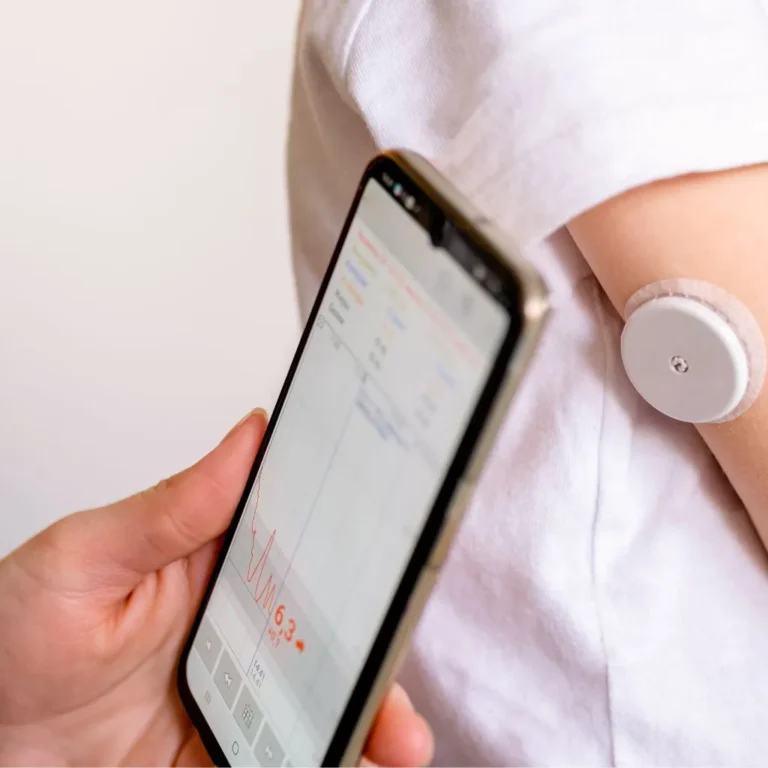
RPM provides real-time health updates, enabling quick action. Most patients appreciate this proactive approach, with nearly 97% reporting high satisfaction due to continuous monitoring.
By 2025, over 70 million Americans will use RPM services, allowing rural or mobility-challenged patients to receive high-quality care without traveling, making healthcare more inclusive.
RPM programs have reduced hospital readmissions by as much as 76%, cutting down unnecessary hospital stays and optimizing resource allocation, saving millions annually.
RPM tools empower patients. About 37% of users feel more in control of their health. Engaged patients are more likely to adhere to treatment plans, leading to better outcomes.
Remote monitoring offloads the burden of chronic diseases from medical facilities, reducing hospital admissions by 45-50%. Providers adjust treatments based on real-time data.
Systems managed by our VAs notify providers of abnormal vitals instantly. Real-time alerts have been shown to reduce emergency visits by 51%, enabling early interventions.
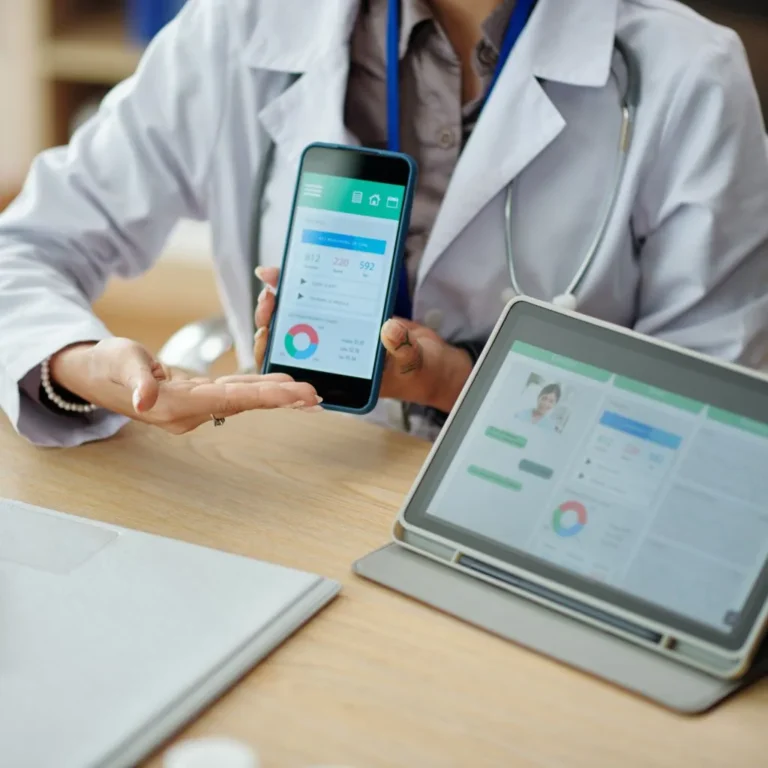
Remote Patient Monitoring (RPM) is primarily designed for patients with chronic conditions that require ongoing health management. These conditions include heart disease, diabetes, hypertension, and chronic obstructive pulmonary disease (COPD). Additionally, post-surgical patients, geriatric patients, and individuals living in rural or remote areas also benefit from RPM as it provides continuous monitoring and reduces the need for frequent in-person visits
The frequency of monitoring through RPM depends on the patient’s condition and the healthcare provider’s care plan. Typically, vital signs are monitored in real-time or at scheduled daily intervals, allowing healthcare providers to receive continuous updates. In some cases, data is collected and reviewed daily to ensure timely interventions if any abnormalities are detected
Yes, virtual patient monitoring is secure and private. RPM services must comply with HIPAA regulations to protect patient health data. The information transmitted through RPM devices is encrypted, ensuring that sensitive medical data is safeguarded during transmission between patients and healthcare providers. This level of security ensures that your health data remains confidential
Remote Patient Monitoring (RPM) devices collect and transmit vital health data to healthcare providers, allowing real-time monitoring of patients. Common devices include blood pressure monitors, glucometers, pulse oximeters, wearables, and smart weight scales. These devices are used to manage chronic conditions like diabetes and hypertension.
Remote Patient Monitoring (RPM) devices collect and transmit vital health data to healthcare providers, allowing real-time monitoring of patients. Common devices include blood pressure monitors, glucometers, pulse oximeters, wearables, and smart weight scales. These devices are used to manage chronic conditions like diabetes and hypertension.
