- 6340 N Eldridge Pkwy N 117 Houston TX 77041
- (214) 281- 4464

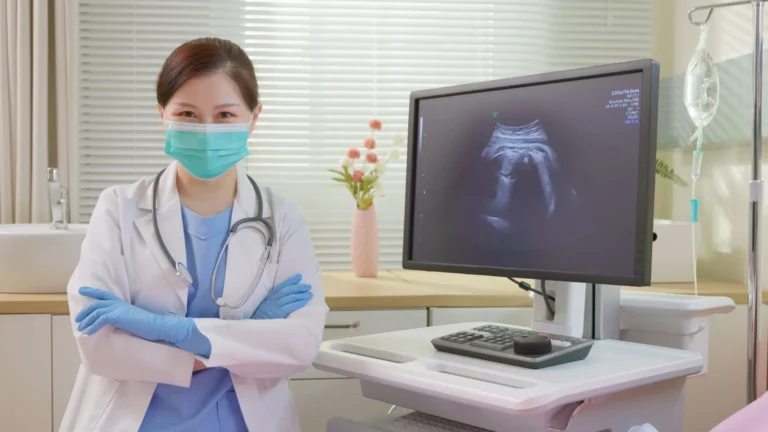
Our video consultations allow patients to connect with doctors from home, helping them stick to care plans. Studies show virtual care controls glucose levels by 30% better in diabetes management compared to in-person visits.
Our RCCM team offers lifestyle advice on diet, exercise, and stress management. With regular check-ins, our remote assistants coach your patients to stay motivated and aligned with their long-term health goals.
We provide medication reviews and reminders to ensure correct dosages. Remote medication support has proven to reduce out-of-range clinical events, like high blood sugar, by up to 25%.
With real-time tracking, providers access up-to-date information for quick decisions, preventing emergencies. Our virtual assistants use CCM codes and update your patient’s EHR/EMR daily.
We offer RPM to track key metrics like blood pressure. RPM reduces hospital admissions by detecting warning signs early. Enrolled patients show a 20% reduction in all-cause mortality.
We work with healthcare providers worldwide, expanding their reach. Our remote care management makes it possible to monitor chronic patients in every corner of the world, breaking physical barriers.
“As a physician in Ohio, virtual care management has made my practice run smoother. My patients love the convenience, and I appreciate how it helps me stay connected with them between visits. I highly recommend it!"

"Virtual chronic care management has made patient follow-ups a breeze. It’s efficient and helps me keep my patients in Pennsylvania on track with their health goals."

"Honestly, I wasn’t sure about virtual chronic care at first, but I'm sold after using it for my practice here in New York. It’s been amazing to keep track of my patient’s progress remotely."

“Virtual chronic care management has seriously upped the game for my rural patients in North Dakota. They get the care they need without having to travel long distances. I’m a big fan!"

"In Montana, virtual care is a no-brainer. My patients feel more supported, and I can monitor their chronic conditions without them coming into the office all the time."

Regular check-ins control symptoms and slow the progression of chronic diseases. RCCM allows your practice to detect and treat possible consequences quickly to lessen the frequency of acute episodes, ensuring constant communication among the healthcare team.
RCCM promotes access to care for people who face geographic or mobility barriers. Virtual assistants monitor health data remotely and offer guidance, ensuring individuals receive timely interventions regardless of their physical location.
Patients in a CCM program manage their diseases better. Surveys show a 38% decrease in hospital admissions and a 25% decrease in ER visits among chronic patients using virtual chronic care management in the United States.
Remote chronic care keeps patients on track with their treatment plans via regular check-ins. According to JAMA, CCM increased medicine adherence by 8.3%, lowering the likelihood of severe complications down the road.
RCCM turns patients from passive recipients to active participants by equipping them with knowledge and self-management tools. This engagement improves the quality of care and reduces potential depression and anxiety.
Virtual care management is less expensive than traditional hospital visits. Patients save on childcare, travel, and time away from work, making a significant financial difference for those requiring frequent monitoring.
Physicians, nurse practitioners, and PAs managing various chronic conditions such as diabetes, hypertension, and COPD.
Cardiologists, endocrinologists, pulmonologists, and rheumatologists providing focused care for specific chronic diseases.
Multidisciplinary teams of primary care doctors, specialists, and allied healthcare professionals working collaboratively.
Geriatricians, RNs, and certified nursing assistants managing the long-term health of elderly patients.
Palliative care specialists, hospice nurses, and social workers managing chronic pain and providing compassionate care for patients with terminal illnesses.
Remote patient monitoring (RPM) uses medical devices to collect and transmit real-time health data (like blood pressure or glucose levels) to healthcare providers. Chronic care management (CCM) coordinates care for patients with multiple chronic conditions. CCM provides regular communication and helps with medication management.
A Chronic disease management plan focuses on helping patients manage long-term conditions. We offer care coordination, regular health check-ins, and medication tracking. Patients benefit from remote monitoring of key health metrics like blood pressure and glucose. Our plan also includes guidance on nutrition and exercise, along with 24/7 access to support for ongoing care.
Patients with two or more chronic conditions that are expected to last at least 12 months or until death and that place the patient at significant risk of decline or death qualify for Chronic Care Management under Medicare.
Medicare and other insurers cover Chronic Care Management services. Physicians and healthcare providers can bill Medicare under specific CCM billing codes (such as CPT 99490) for the time spent coordinating patient care each month. Patients may have a small copayment or deductible depending on their coverage, but most of the reimbursement comes from Medicare.
Here’s how remote care works: