Working with a healthcare virtual assistant productively is the process of delegating administrative and clinical documentation tasks to a remote specialist trained in HIPAA compliance, EHR/EMR integration, and healthcare practice workflows. This strategic partnership is designed to enhance operational efficiency, reduce administrative burdens, and improve the quality of patient care.
Physicians spend an average of 16 hours per week on paperwork and administrative tasks, a staggering statistic that points to a systemic problem in modern healthcare. This administrative burden not only fuels physician burnout and moral injury but also dangerously diverts focus from crucial clinical decision-making, increasing the potential for errors. The solution lies in the structured integration of a HIPAA-compliant Healthcare Virtual Assistant (VMA), an effective strategy to delegate tasks, optimize workflows, and restore the physician’s primary focus to patient care.
Foundation of Productivity: Security, Compliance, and Access
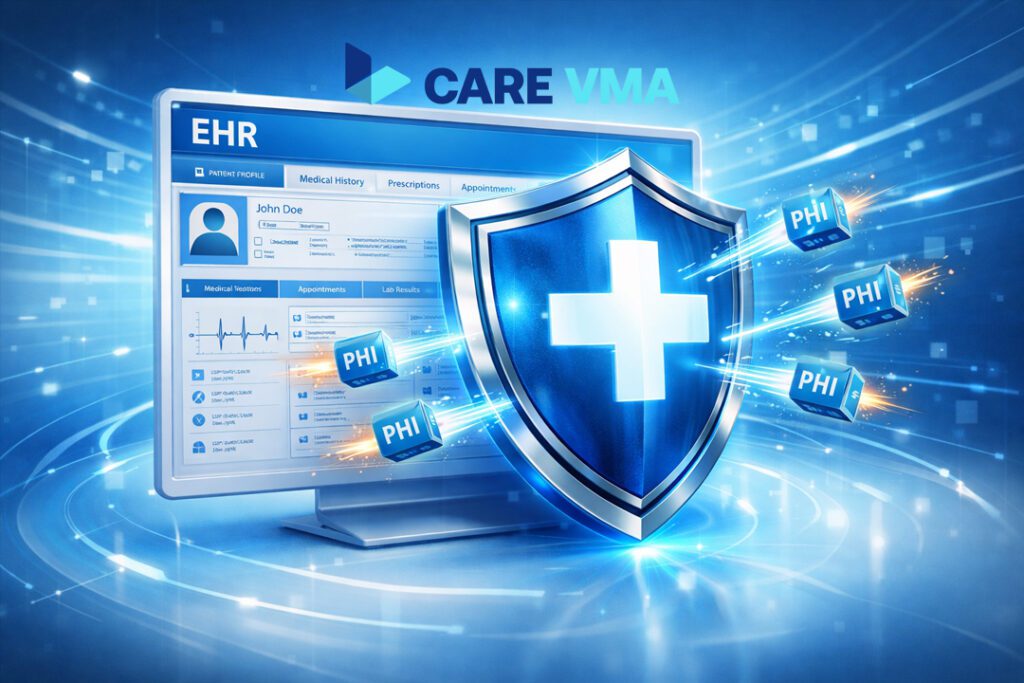
Productivity in a healthcare setting begins with an unshakeable foundation of security. Before a single task is delegated, the framework for protecting patient data and ensuring regulatory compliance must be firmly in place. This is non-negotiable for maintaining patient trust and mitigating legal risks.
Validate a Legally Binding Business Associate Agreement (BAA)
A handshake is not enough when Protected Health Information (PHI) is involved. Ensure your VMA partner provides a comprehensive BAA that explicitly defines PHI handling, liabilities, and data breach protocols in accordance with the HITECH Act. This document is your first line of defense and a key indicator of a professional, secure service.
Configure Role-Based Access for EHR/EMR Systems
Granting unrestricted EHR access is a significant security risk. True productivity comes from smart, limited access. Configure user permissions to restrict the VMA’s access to only the information absolutely necessary for their assigned tasks, such as patient demographics for scheduling or insurance details for prior authorization.
Schedule Annual Security and Compliance Training
The landscape of cybersecurity threats and healthcare regulations is constantly evolving. Productive collaboration depends on current knowledge. Mandate that your VMA participates in annual training on HIPAA updates and your clinic’s specific internal security protocols. This ensures that efficiency gains are not achieved at the expense of patient data safety. Building a secure framework is central to HIPAA compliance and data security.
Accelerating Clinical Workflows: Smart Delegation and Automation
Once the security foundation is set, you can leverage VMAs to streamline the very core of your clinical operations. The goal is to offload repetitive, time-consuming tasks, freeing up physicians and clinical staff to perform at the top of their licenses and focus on direct patient interaction.
Implement Asynchronous Scribing for SOAP Notes Documentation
The EHR should be a tool, not a barrier between doctor and patient. Allow a trained virtual medical scribe to handle the transcription and formatting of clinical notes from secure audio recordings. This asynchronous scribing process frees physicians from the screen during consultations, improving patient engagement and note accuracy.
Automate Prior Authorization and Patient Follow-up
The endless loop of phone calls and paperwork for prior authorizations is a major drain on practice resources. Delegate these rule-based, time-intensive tasks to a VMA trained in Revenue Cycle Management (RCM) workflows. This accelerates the revenue cycle, reduces claim denials, and improves patient adherence through systematic follow-ups.
Integrate the VMA into Your Telehealth Workflow
Telehealth is now a permanent fixture in healthcare delivery. A telehealth virtual assistant can manage virtual scheduling, securely distribute session links to patients, and ensure all telehealth encounter documentation is correctly filed in the EHR. This creates a seamless virtual care experience for both patients and providers.
Maintaining Quality and Patient Relations in a Digital Ecosystem
Integrating a remote team member requires a deliberate strategy to maintain the quality of care and the human touch that defines your practice. Technology should enhance, not replace, the patient-provider relationship. This involves clear communication protocols and performance metrics.
Build Communication Protocols to Maintain ‘Digital Bedside Manner’
How a VMA communicates reflects directly on your practice. Create clear scripts and guidelines for patient interactions, whether for appointment reminders or post-visit follow-ups. This ensures a consistent, empathetic, and professional tone that preserves patient trust and satisfaction.
Define Clear Key Performance Indicators (KPIs)
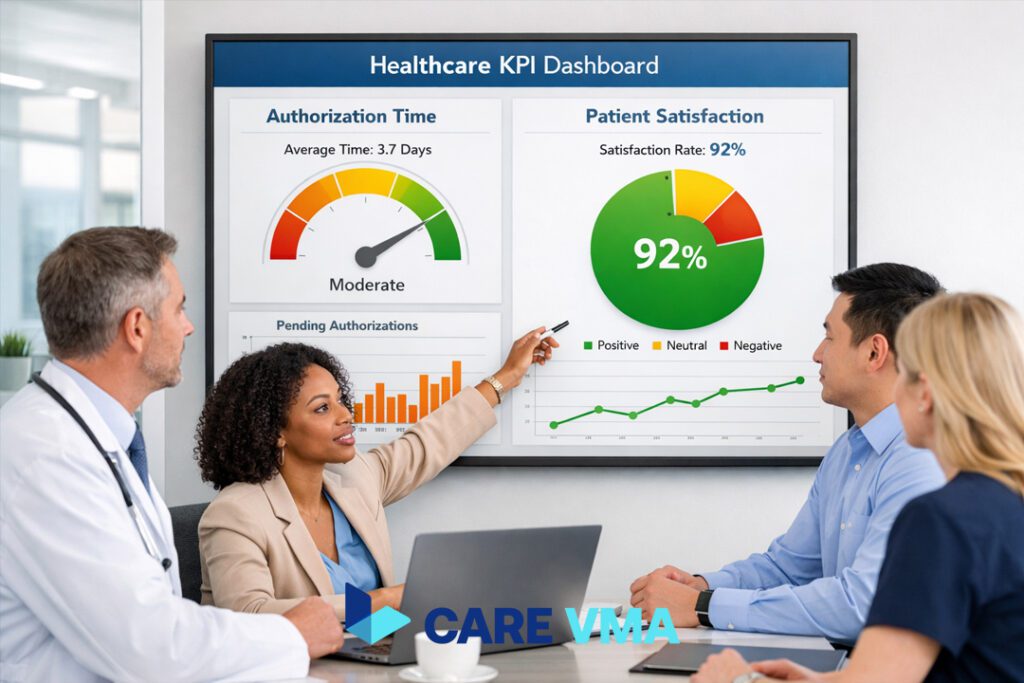
Productivity must be measurable. Track your VMA’s performance with concrete metrics, such as the average turnaround time for prior authorization requests, the accuracy rate of data entry, or a reduction in the patient no-show rate following VMA-led reminders. These KPIs provide objective data for optimizing workflows.
Develop a Contingency Plan for System Disruptions
Technology is not infallible. A productive partnership plans for the unexpected. Establish a secure offline workflow for your VMA in case the EHR or Practice Management Software experiences an outage. This ensures that critical operations can continue with minimal disruption to patient care.
Frequently Asked Questions on VMA Productivity and Security
Are medical virtual assistants secure for patient data privacy?
Yes, provided the VMA service provider signs a BAA, adheres strictly to HIPAA/HITECH standards, and implements technical safeguards like end-to-end encryption and access audits. VMAs from Care VMA undergo rigorous background checks and continuous security training to ensure the highest level of PHI protection.
How can we ensure a VMA understands our specific medical terminology?
Professional medical VMAs, like those at Care VMA, typically have a background or specialized training in medical terminology and clinical processes. A robust onboarding process is key, involving the creation of a practice-specific glossary and detailed training on your unique workflows and physician preferences.
What should be done in case of an EHR system outage?
A pre-established contingency plan is critical. The VMA should be trained to immediately switch to a secure, encrypted offline documentation method. They must maintain clear communication with the practice manager through a designated emergency channel to ensure continuity of operations until the system is restored, as defined in your HHS-compliant contingency plan.
Conclusion and Next Steps
Integrating a virtual assistant is not merely about delegating tasks; it is a strategic investment in reclaiming your time, reducing cognitive load, and preventing physician burnout. By implementing these nine tips, you can transform your administrative burden into an operational advantage, allowing you to refocus on the true essence of your profession: caring for patients.
Reclaim 10 hours of your practice time each week. Start your clinic workflow mapping consultation with a Virtual Medical Assistant expert at Care VMA today.