Are you feeling overwhelmed by recurring patient complaints that stem from communication issues? A minor misunderstanding at the front desk or during a consultation can spiral into diminished trust, negative online reviews, and even severe patient safety risks. This guide moves beyond theory, offering practical, medically-grounded strategies that integrate human empathy with modern technology to transform every patient interaction into a positive, trust-building experience.
Patient communication and customer service in a medical context is the comprehensive system of verbal, non-verbal, and digital interactions designed to ensure patients feel heard, understood, and actively engaged in their care. Excellence in this area directly impacts clinical outcomes, patient safety, and the operational health of a medical practice.
Why Patient Communication is the Foundation of a Modern Medical Practice?
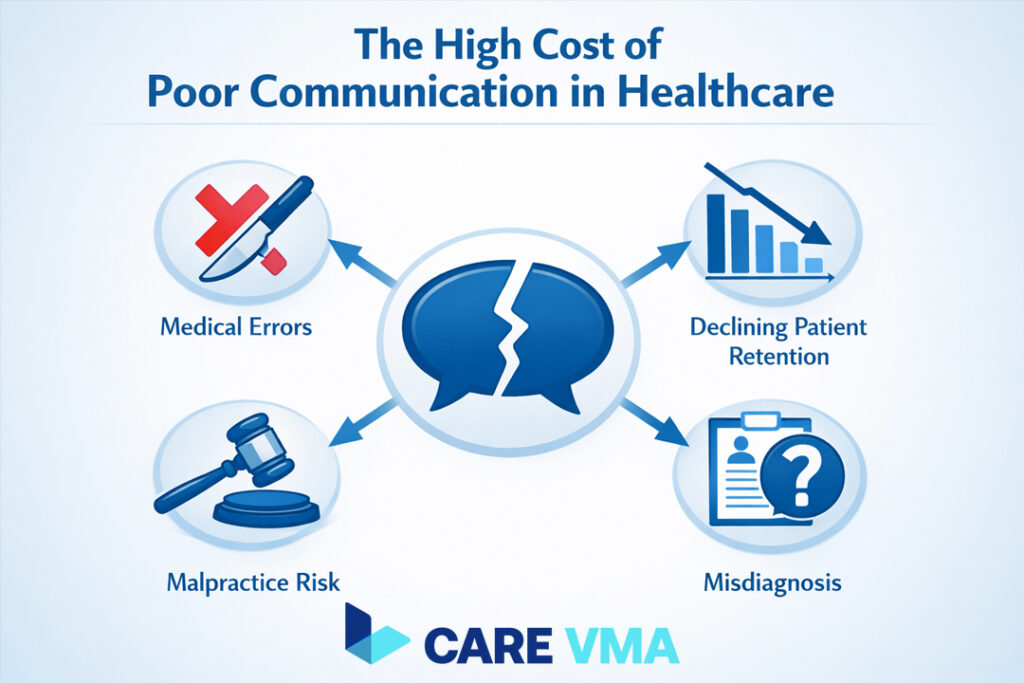
In today’s healthcare environment, poor communication is no longer just a service issue-it is a critical clinical risk. The consequences of miscommunication extend far beyond patient dissatisfaction, affecting every facet of a practice’s viability and reputation.
Enhancing Patient Safety and Clinical Outcomes
Clear communication is a cornerstone of patient safety. When patients fully understand their diagnosis, treatment plan, and medication instructions, adherence rates improve dramatically. A study from the Agency for Healthcare Research and Quality (AHRQ) highlights that miscommunication is a leading cause of medical errors. Ensuring information is accurately conveyed and received prevents medication errors, missed follow-up appointments, and incorrect procedure preparation, leading directly to better health outcomes.
Building Long-Term Trust and Patient Loyalty
Trust is the bedrock of the patient-provider relationship. Patients who feel respected and understood are more likely to be transparent about their symptoms and concerns. This open dialogue fosters a partnership, turning a one-time visit into a long-term, loyal relationship. This loyalty is essential for patient retention and positive word-of-mouth referrals.
Reducing the Risk of Complaints and Malpractice Lawsuits
A significant portion of malpractice claims are rooted in communication breakdowns rather than clinical negligence. Patients who feel unheard or disrespected are more likely to file complaints. Proactive, empathetic communication can de-escalate tense situations and clarify misunderstandings before they evolve into serious legal and financial risks.
Facilitating More Accurate Diagnosis and Treatment
The diagnostic process relies heavily on the information provided by the patient. An environment that encourages open, honest communication allows clinicians to gather a complete and accurate medical history. This detailed understanding enables a more precise diagnosis and the development of a truly personalized and effective treatment plan.
8 Core Principles of Patient Communication Every Healthcare Professional Must Master
Mastering these fundamental principles transforms routine interactions into opportunities for building trust and ensuring clarity. These are the actionable pillars of exceptional patient care.
Patient-Centered Care
This approach places the patient’s needs, values, and preferences at the forefront of all clinical decisions. It involves asking questions like, “What matters most to you in this treatment?” instead of only focusing on the clinical diagnosis.
Clear and Simple Language
Avoid medical jargon. Explain complex conditions and procedures using simple, everyday language. For example, instead of “hypertension,” use “high blood pressure.” This ensures patients can make truly informed decisions about their health.
Active Listening Techniques
Active listening involves giving the patient your full attention, nodding, and summarizing their concerns to confirm understanding (“So, what I hear you saying is the pain gets worse after meals. Is that correct?”). This makes patients feel genuinely heard.
Demonstrating Empathy and Compassion
Empathy is the ability to understand and share the feelings of another. Small gestures, such as acknowledging a patient’s anxiety (“I understand this is a stressful situation”) can significantly strengthen the patient-provider bond.
Transparency in Procedures and Costs
Be upfront about what a procedure entails, what the recovery will be like, and the estimated costs. This transparency prevents surprises and builds trust, even when the news is difficult.
Timeliness and Service Efficiency
Respecting a patient’s time is a powerful form of communication. Minimizing wait times, providing updates on delays, and ensuring efficient administrative processes show that you value them as an individual.
Proactive Problem Resolution
When a problem arises, address it quickly and directly. Acknowledge the issue, apologize for the inconvenience, and clearly state the steps you will take to resolve it. A swift resolution can turn a negative experience into a positive one.
Universal Respect and Courtesy
Every patient deserves to be treated with dignity, regardless of their background, culture, or health literacy level. Simple courtesy from every staff member, from the front desk to the clinical team, creates a welcoming and safe environment.
Real-World Challenges: Common Communication Barriers in Healthcare
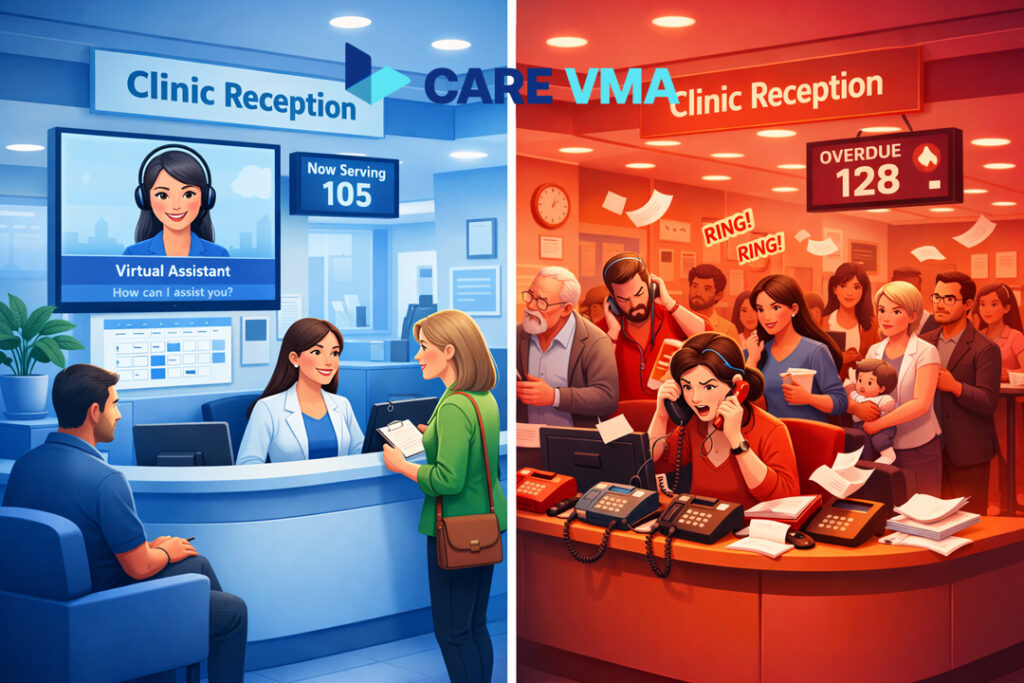
Even with the best intentions, healthcare facilities face significant obstacles to seamless communication. Acknowledging these challenges is the first step toward overcoming them.
Severe Time Constraints in a Busy Environment
Clinicians are often under immense pressure to see a high volume of patients, leaving little time for in-depth conversations. This can lead to rushed explanations and missed opportunities to address patient concerns.
Language and Cultural Differences
A diverse patient population means a variety of languages and cultural beliefs about health. Without access to professional interpreters or culturally competent care, misunderstandings can easily occur, affecting diagnosis and treatment adherence.
Low Patient Health Literacy
Many patients struggle to understand basic health information. According to the Center for Health Care Strategies, low health literacy can make it difficult for patients to manage their chronic conditions or navigate the healthcare system, leading to poorer health outcomes.
The Patient’s Emotional State
Anxiety, fear, and stress can impair a patient’s ability to process and retain information. A new diagnosis or a discussion about a serious procedure can be overwhelming, making clear, empathetic communication even more critical.
Information Fragmentation Between Departments
Often, patient information is siloed in different departments or systems. A lack of integrated data means the billing office may not have the same information as the clinical team, leading to frustrating and disjointed experiences for the patient.
The Modern Solution & Care VMA’s Advantage: Integrating Technology and Empathy
Technology should not replace the human touch; it should enhance it. By automating administrative burdens, Care VMA liberates your staff to focus on what they do best: providing empathetic, high-quality patient care. We bridge the gaps left by traditional systems by integrating smart solutions.
Smart Automation for Efficiency: Free Up Staff Time for Empathy
Repetitive administrative tasks consume a significant portion of your staff’s day. Our Virtual Assistant Receptionists can reduce call wait times and build patient trust by managing appointment scheduling, answering common FAQs, and sending automated reminders for appointments and pre-procedure instructions. This automation drastically reduces phone traffic and administrative errors, allowing your front-desk team to provide a warmer, more personal welcome to patients in the office.
A Centralized Communication Platform: End Data Fragmentation
Disconnected systems lead to confusion and errors. Care VMA helps practices implement integrated platforms where secure messaging and patient portals unify all communication. When your Electronic Health Record (EHR) is seamlessly connected, every team member-from clinicians to billing specialists-views the same, up-to-date patient information. This ensures consistency and eliminates the frustration patients feel when they have to repeat their story to different departments.
Telemedicine and Virtual Consultations: Reach Patients Anywhere
Modern patient care extends beyond the clinic walls. Care VMA’s VA Telehealth Virtual Assistant Services make healthcare more accessible for follow-up appointments, medication management, and non-emergency consultations. By offering convenient virtual options, you reduce barriers to care for patients with mobility or transportation issues, ensuring continuity and improving long-term health management. This technology is a key part of enhancing patient care with medical virtual assistants.
Practical Strategies You Can Implement Today
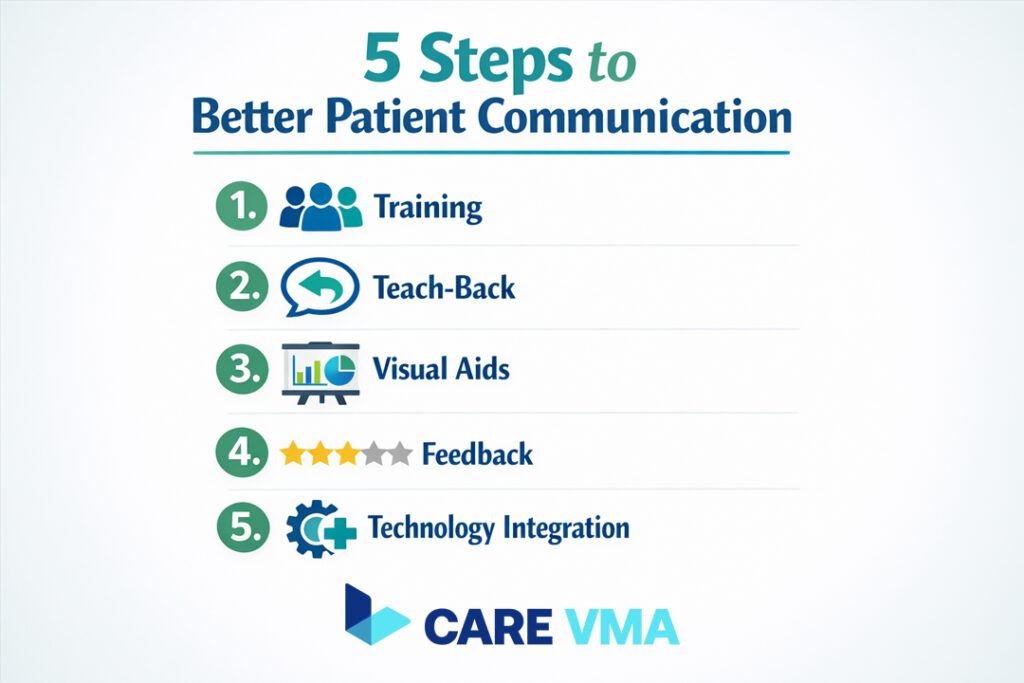
Improving communication doesn’t require a complete overhaul overnight. These actionable steps can be implemented immediately to create a noticeable impact on patient satisfaction and safety.
Conduct Scenario-Based Staff Training
Move beyond simple lectures. Use role-playing to train staff on handling difficult situations, such as communicating a delay, managing an upset patient, or explaining a complex billing issue. This builds confidence and prepares your team for real-world challenges.
Use the “Teach-Back” Method
After explaining a treatment plan or medication instructions, ask the patient to explain it back to you in their own words. This simple technique is a highly effective way to confirm their understanding and correct any misconceptions on the spot.
Provide Simple Visual Aids
A picture is often worth a thousand words. Use simple diagrams, charts, or short videos to explain anatomical concepts, procedures, or care schedules. This is especially helpful for patients with low health literacy or for visual learners.
Create an Easy Feedback Mechanism
Make it easy for patients to provide feedback. Implement simple, automated surveys via SMS or email after an appointment. Asking “How did we do today?” shows that you value their opinion and are committed to continuous improvement.
FAQ (Common Questions from Clinic Managers)
How can I train staff who are resistant to using new technology?
Start with gradual implementation. Focus on one tool at a time and clearly demonstrate its direct benefit to their workload, such as how an automated reminder system reduces repetitive phone calls. Involve them in the selection process to give them a sense of ownership and choose the most user-friendly options.
Does investing in communication technology actually provide a measurable ROI?
Absolutely. The return on investment is seen across several key metrics: a measurable decrease in patient no-show rates, higher patient satisfaction scores (which can impact reimbursement and accreditation), significant time savings for administrative staff, and a reduction in costly administrative or medical errors.
How do we ensure patient data security when using digital communication platforms?
Prioritize platforms that are fully HIPAA compliant. Solutions provided and recommended by Care VMA use end-to-end encryption, strict access controls, and secure servers to protect sensitive patient health information. Always verify a vendor’s compliance with data security standards, a topic covered in our HIPAA Compliance & Data Security Guide.
Conclusion and Your Next Steps
In the digital age, mastering patient communication is no longer an option-it is a fundamental requirement for a safe, efficient, and trusted medical practice. Breakdowns in communication lead to poor outcomes and a damaged reputation, while excellence builds a loyal patient base. Investing in the right systems, technology, and training is an investment in the future of your practice.
Do not let miscommunication compromise your patient safety and your practice’s reputation. It is time to evolve. Discover how Care VMA’s integrated solutions can streamline your operations and elevate your patient experience.
Schedule a free demo of our Virtual Medical Assistant Services today and see how we can help transform patient communication at your facility.
Written by Care VMA Tech Solutions. Innovating the way healthcare is delivered through digital excellence.
Medical Disclaimer: The information in this article is for informational purposes only and is not a substitute for professional medical advice, diagnosis, or treatment. Always seek the advice of your physician or other qualified health provider with any questions you may have regarding a medical condition.