Disclaimer: This article is for informational purposes only and does not constitute medical advice. It is not a substitute for professional consultation, diagnosis, or treatment from a qualified veterinarian.
As a dedicated pet owner, you want to provide the absolute best for your animal companion. In a world of rapid technological advancement, navigating the landscape of modern veterinary medicine can feel overwhelming. New terms like AI diagnostics, wearables, and telemedicine are emerging, and it is natural to feel uncertain about how these innovations fit into your pet’s health journey. This guide is designed to be your clear and trusted resource, demystifying the future of veterinary care and showing how it leads to longer, healthier lives for the animals we love.
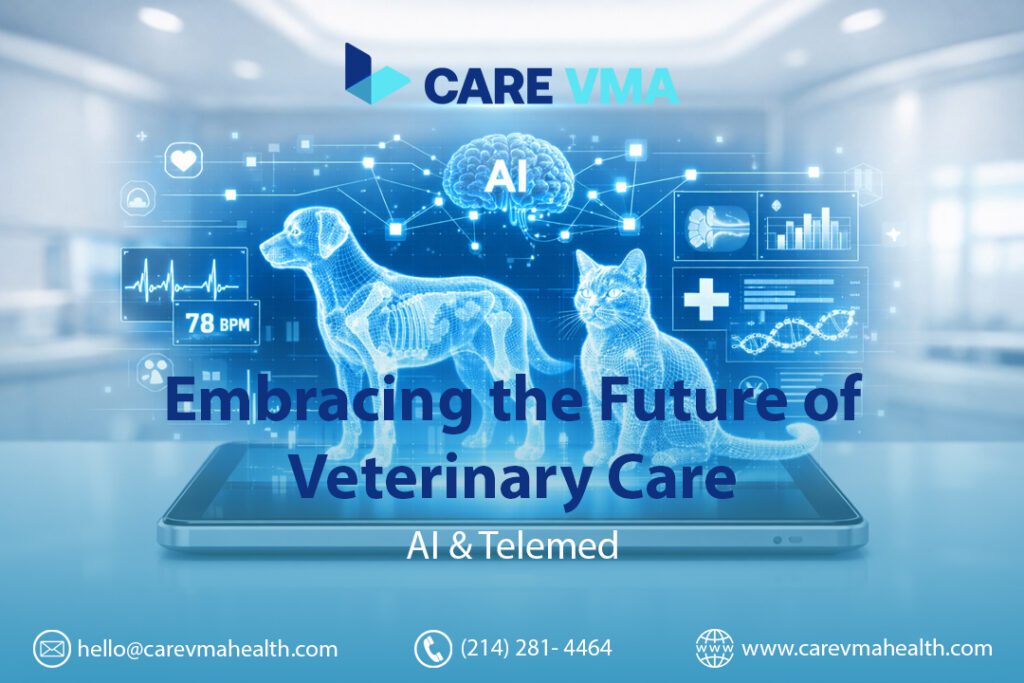
The future of veterinary care is a blend of advanced technologies like artificial intelligence (AI) and telemedicine with highly personalized medicine. This revolution aims for faster diagnostics, more effective treatments, and easier access to animal healthcare for all. It is about creating a more proactive, predictive, and personalized approach that strengthens the bond between you, your pet, and your veterinary team.
The Technological Revolution in Veterinary Diagnostics
Technology is fundamentally reshaping how veterinarians diagnose illness, moving from reactive treatment to proactive prevention. Two key areas leading this charge are artificial intelligence and wearable sensors, which work together to create a comprehensive picture of your pet’s health.
Artificial Intelligence (AI): Your Veterinarian’s Third Eye
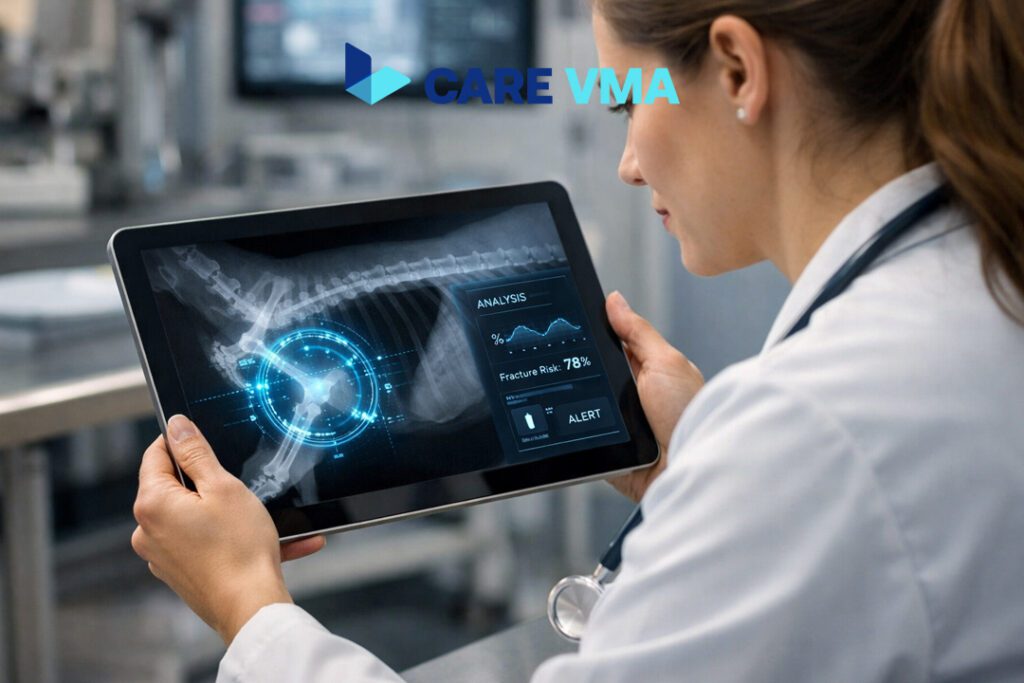
Artificial intelligence acts as a powerful analytical tool, enhancing the veterinarian’s ability to detect diseases earlier and more accurately. AI algorithms can analyze complex medical images like X-rays, CT scans, and MRIs, identifying subtle patterns that may be invisible to the human eye. According to a report by MarketsandMarkets, the global AI in veterinary medicine market is projected to grow significantly, signaling its increasing importance.
For example, AI can analyze radiographs to detect early signs of osteoarthritis or identify cancerous lesions with incredible precision. In feline medicine, specific algorithms can predict the onset of chronic kidney disease years before clinical symptoms appear, allowing for early intervention that can extend a cat’s life and improve its quality. This technology does not replace the veterinarian; it empowers them with deeper insights for better decision-making.
Wearable Technology: Proactive Health Monitoring 24/7
The rise of wearable technology for pets, such as smart collars and activity trackers, has opened a new frontier in preventative care. These devices continuously monitor key health metrics, including:
- Heart rate and respiratory rate
- Activity levels and calories burned
- Sleep quality and patterns
- Scratching and licking behaviors
This constant stream of data provides a baseline for your pet’s normal health. When the device detects a significant deviation—such as a persistently elevated heart rate or a sudden drop in activity—it can alert you and your veterinarian to a potential problem long before your pet shows obvious signs of being unwell. This is crucial for detecting conditions that animals often hide instinctively.
Limitless Accessibility: The Era of Telemedicine
One of the most significant shifts in veterinary medicine is the widespread adoption of telemedicine. This technology removes geographical barriers and makes expert care more accessible, convenient, and less stressful for both pets and their owners. Telemedicine is not just a video call; it is an integrated system for modern pet healthcare.
This integrated approach directly addresses gaps in traditional care. Instead of waiting days for an appointment, you can connect with a veterinary professional for immediate triage or a consultation for non-emergency issues. For pets with chronic conditions, Remote Patient Monitoring allows for continuous oversight without constant clinic visits. An Idexx report highlights the need for a 40% productivity increase by 2030 to meet demand, a challenge that integrated telehealth services are uniquely positioned to solve.
The benefits are clear:
- Reduced Stress: Many animals find travel and clinic environments highly stressful. Telemedicine allows them to be examined in the comfort of their home.
- Convenience: It saves you time on travel and waiting rooms, fitting easily into a busy schedule.
- Improved Access: Pet owners in rural or underserved areas can access specialist consultations that would otherwise be out of reach.
- Cost-Effectiveness: Studies show many cases can be fully resolved online, saving pet owners from unnecessary and costly emergency visits for minor issues.
Precision Medicine: Care Tailored to Your Pet
The one-size-fits-all approach to medicine is becoming a thing of the past. The future lies in precision medicine, where treatment is tailored to the individual genetic makeup, lifestyle, and environment of each animal.
Personalized and Genetic Medicine
Genetic testing can now identify a pet’s predisposition to certain hereditary diseases, allowing veterinarians to create targeted screening and prevention plans. This data also informs personalized nutrition and exercise regimens designed to optimize health and longevity based on an animal’s unique needs.
The Role of Compounding Pharmacies
Precision medicine extends to how medications are administered. Compounding pharmacies play a vital role by creating custom-formulated drugs. If a pet refuses a bitter pill, a compounding pharmacist can create it in a more palatable flavor or a different form, such as a transdermal gel or a chewable treat, ensuring your pet receives its treatment without a daily struggle.
Regenerative Medicine: Repairing, Not Just Treating
Regenerative medicine focuses on harnessing the body’s own healing capabilities. According to the National Institutes of Health (NIH), regenerative therapies hold promise for repairing damaged tissues. Techniques like Platelet-Rich Plasma (PRP) therapy and Mesenchymal Stem Cell (MSC) treatments are used to manage conditions like osteoarthritis and tendon injuries, reducing pain and improving mobility by helping to repair the damaged joint tissue itself.
Innovation in the Operating Room and Rehabilitation
Surgical and rehabilitative care are also experiencing a technological renaissance, leading to safer procedures and faster recoveries.
Robotic Surgery and 3D Printing
While still emerging in the veterinary field, robotic-assisted surgery offers unparalleled precision, minimizing tissue damage and reducing recovery time. Alongside this, 3D printing is revolutionizing how we approach surgical planning and prosthetics. Veterinarians can print exact anatomical models to practice complex procedures beforehand. Custom-fit implants, prosthetics, and surgical guides can be 3D printed for a perfect fit, dramatically improving outcomes for amputees or animals with complex fractures.
Bridging It All: The “One Health” Approach
The “One Health” concept is a global movement recognized by organizations like the CDC that acknowledges the deep interconnection between the health of people, animals, and our shared environment. Veterinarians are essential pillars of this initiative. They are on the front lines of detecting and preventing zoonotic diseases—illnesses that can pass between animals and humans. By embracing technology for better diagnostics and surveillance, the veterinary profession plays a critical role in safeguarding not just animal welfare but global public health.
How Care VMA Brings the Future to You, Today
Understanding these future trends is one thing; accessing them is another. Care VMA is built to bridge that gap. We believe the future of veterinary care is integrated, efficient, and compassionate. Our platform seamlessly combines these advanced technologies to support veterinary practices and, in turn, provide superior care for your pet.
We help clinics manage staff shortages and administrative burdens by providing services like our VA Telehealth Virtual Assistant Services. This allows your veterinary team to focus less on paperwork and more on what matters most: your pet’s health. By integrating virtual care and AI-driven efficiency tools, we empower veterinarians to deliver the modern, personalized, and accessible care that every pet deserves.
FAQ (Common Questions from Pet Owners)
Is telemedicine safe and effective for all conditions?
Telemedicine is extremely effective for virtual triage, initial consultations, follow-up appointments, and many non-emergency concerns like mild skin issues or behavioral questions. However, it is not a substitute for in-person care in an emergency. Any serious condition, such as difficulty breathing, major trauma, or collapse, requires an immediate visit to a veterinary clinic.
Will AI-assisted diagnostics replace my veterinarian?
Absolutely not. AI is a powerful tool designed to assist and augment a veterinarian’s expertise, not replace it. Think of it as an advanced assistant that can process vast amounts of data to find potential areas of concern. The final diagnosis, treatment plan, and compassionate care will always come from the irreplaceable expertise and empathy of your trusted veterinarian.
What is the cost of these advanced veterinary care technologies?
While some cutting-edge technologies can be expensive, many are becoming more affordable and accessible. Furthermore, technologies like telemedicine and wearables can actually be more cost-effective in the long run. By catching diseases early and avoiding unnecessary emergency room visits, they help prevent more serious and expensive health problems down the road.
Conclusion and Your Next Step
The future of veterinary care is already here. It is a future defined by smarter technology, deeper insights, and a more profound partnership between you and your veterinary team. Embracing these innovations is not just about being modern; it is about taking a more active and informed role in your pet’s well-being to give them the longest, healthiest, and happiest life possible.
Don’t wait for the future to arrive. Experience the new standard of veterinary care today. By using a 24/7 Virtual Medical Receptionist, you can easily schedule your first consultation and see how technology and expert care come together to make a real difference for your beloved companion.